Compute has a physical address
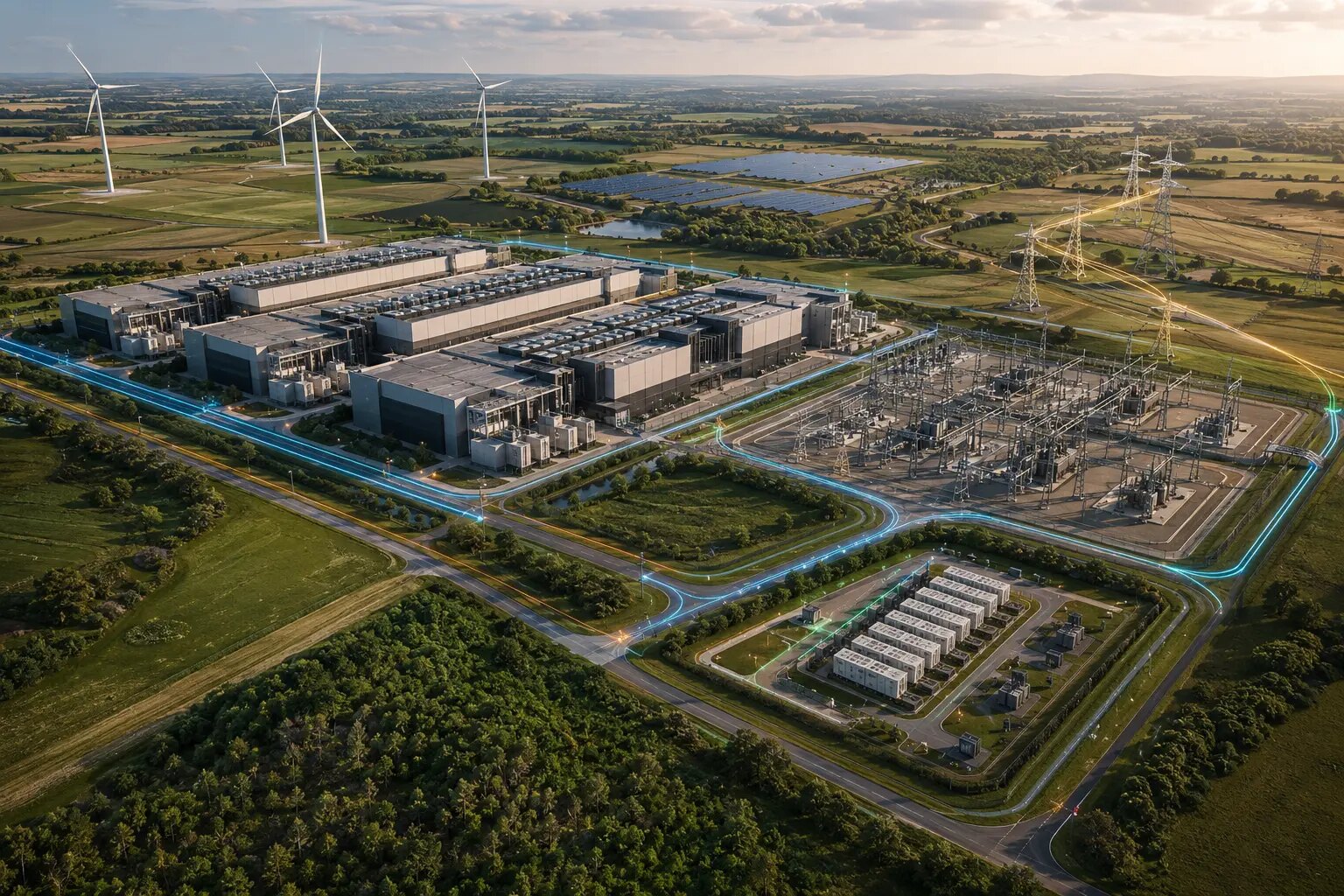
The cloud feels weightless, but artificial intelligence runs in buildings filled with servers, cooling equipment and network links. Those sites need large, dependable electricity connections. The government’s AI Growth Zone programme identifies grid delays as one of the biggest barriers to data-centre development. Access to leading processors matters, but a rack of chips is useless without power, land, planning permission and fibre. The regions able to coordinate those ingredients will capture more of the investment.
What a growth zone must deliver
Growth zones are intended to align central government, local authorities, energy networks and investors. A credible zone needs a connection timetable, planning capacity, skills and a clear account of who pays for infrastructure upgrades. Britain designated data centres as critical national infrastructure in 2024, reflecting how dependent services have become on digital capacity. New facilities therefore need resilience, incident response and long-term operational planning, not merely a fast construction schedule.
The local bargain
Communities will reasonably ask what they receive in return for land, power capacity and visible infrastructure. Benefits might include construction work, technical careers, business rates, heat reuse or wider grid upgrades, but they should be specific and measurable. Britain’s AI infrastructure strategy succeeds only if it joins national ambition to local credibility. The most important AI map may turn out to be the one showing spare grid capacity and realistic dates for connecting it.
UK TECH TRENDIndependent analysis for the British technology market.
Continue to all articles